
 tr
tr Can Stainless Steel Be PVD Coated?
Yes; in fact, stainless steel is one of the best substrates for PVD coating available. Thanks to its chromium rich composition, it can usually be coated directly, without the intermediate nickel layers that materials such as brass or zamak may require. Grades 304 and 316 are the workhorses we see most often across architectural, furniture, hardware and industrial applications.
Why Stainless Steel and PVD Work So Well Together
- Direct deposition: no intermediate plating is needed in most cases, which simplifies the process chain.
- Corrosion synergy: the natural resistance of stainless steel combines with the dense PVD film for a long service life.
- Thermal compatibility: process temperatures of roughly 200-450 °C leave the mechanical properties of stainless steel unchanged.
- Design flexibility: polished, brushed and bead blasted surfaces can all be coloured in gold, bronze, black and rose tones.
The Coating Process Step by Step
Surface Preparation
The PVD film is only around 0.5-5 microns thick, so it reproduces the underlying texture exactly. Polishing, brushing or blasting must therefore be completed before coating, followed by ultrasonic cleaning that removes every trace of oil, fingerprints and residue. Cleaning quality directly determines adhesion strength.
Deposition and Colouring
Inside the vacuum chamber, titanium or zirconium is vaporised and reacts with gases such as nitrogen to create a ceramic like coloured film. Gold, bronze, black, rose and smoke tones are all produced this way. Because the colour is intrinsic to the film, it will not fade under sunlight or suffer from routine cleaning.
Typical Stainless Steel Applications
Architectural cladding, lift and escalator panels, balustrades, door hardware and furniture profiles are everyday examples. Browse our titanium coating applications overview and our decorative PVD coating services to see how coloured stainless steel is used in real projects across hospitality, retail and residential segments.
Points to Watch
Weld seams, deep scratches and oxide residues become visible after coating, so parts should arrive at coating ready surface quality; alternatively, our team can handle the surface finishing as part of the job. Part geometry and racking strategy should also be reviewed early in the project to guarantee uniform colour across large panels and long profiles.
It is also worth noting that the PVD film does not compromise the natural corrosion resistance of stainless steel; the dense, non porous layer adds a further barrier, reduces visible fingerprints and makes routine cleaning easier, which is why coated stainless surfaces are increasingly specified for busy public interiors.
Planning a stainless steel project in gold, bronze or black? Send us your part list and target finish, and we will confirm feasibility, lead time and pricing. Get in touch; we serve customers throughout Turkey and export markets from our facility in Ankara.
Other Posts

PVD coating is an advanced vacuum deposition technology that gives metal surfaces both a refined decorative finish and strong resistance to wear and corrosion. Yet two coatings sold under the…
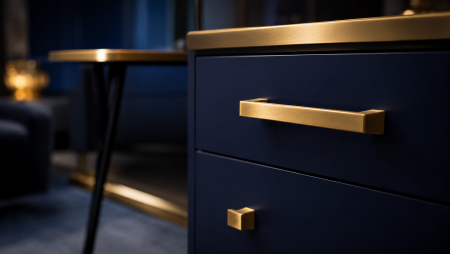
Why Furniture Designers Are Switching to PVD Metal details define contemporary furniture: legs, handles, frames, trims and decorative strips carry the identity of the piece. Demand for gold, bronze and…
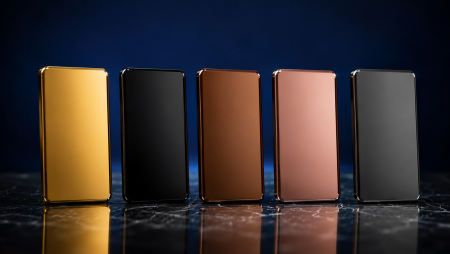
How PVD Creates Colour PVD colours are not paints or pigments. The shade comes from the coating compound itself: the metal being vaporised and the ratio of reactive gases inside…

What Is TiN Coating? TiN, or titanium nitride, is a ceramic compound created when titanium reacts with nitrogen inside a vacuum chamber. Applied through PVD (physical vapour deposition), it forms…
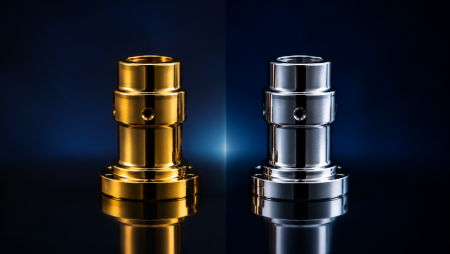
Titanium Coating and Chrome Plating: Not the Same Process Both finishes protect and enhance metal surfaces, but the underlying technologies could hardly be more different. Titanium coating is applied by…
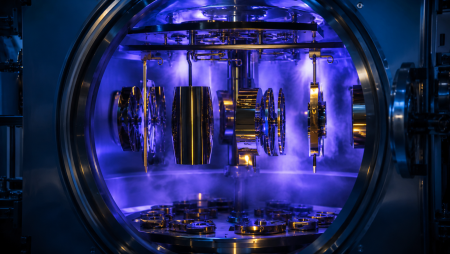
What Is PVD Coating? PVD, short for physical vapour deposition, is a vacuum based surface engineering process that bonds a thin, hard and decorative film onto metal components. Metals such…
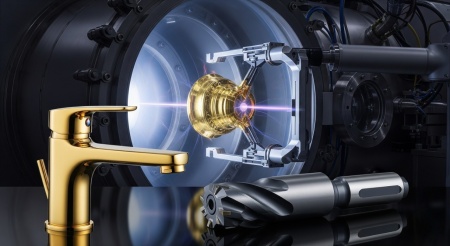
PVD coating technology is a modern method preferred in many areas, from industrial production to decorative applications. This type of coating enhances the aesthetics of metal surfaces while also offering…

With developing medical technologies, the quality, durability and hygienic properties of the materials used have begun to play a critical role in the healthcare sector. Coating technologies used in surgical…

Antalya has become a center where innovative solutions and quality services meet as one of the fastest growing cities in Turkey. The aesthetic and durability advantages offered by Titanium coating…

Titanium coating is preferred to increase surface durability and maximize wear resistance in industrial production processes. This coating technology offers long-lasting and reliable solutions, especially on metal surfaces exposed to…

Titanium coating has become a popular coating method in many sectors, especially due to its durability and aesthetic appearance. However, many people wonder whether titanium coating is harmful in terms…

Titanium coating has become a rapidly rising trend in the decoration world. This innovative coating stands out not only for its durability but also for its aesthetic appeal. This coating,…

Furniture industry is a sector that is constantly seeking innovation in terms of both aesthetics and durability. Titanium coating technologies offer an ideal solution to meet these needs. Titanium coatings…

Titanium Coating is a surface treatment used to add protection and durability to materials. This process involves the application of titanium to the material's surface and is widely used across…

PVD (Physical Vapor Deposition) titanium coating is the process of applying a thin layer of titanium to a surface. This coating method is known for providing titanium with superior durability,…

What is Titanium PVD Coating in Ankara? Titanium PVD (Physical Vapor Deposition) coating is the process of applying titanium to a surface using an advanced technology, physical vapor deposition method.…

Titanyum kaplama, various coating solutions achieved using different methods and materials. These coating types offer different advantages depending on the properties and applications of the parts. Types of Titanium Coating…

What is Titanium Coating? Titanium coating is the process of applying a thin layer of titanium to a surface. This coating method is used to provide durability, aesthetics, and protection…


