
 tr
tr PVD coating is an advanced vacuum deposition technology that gives metal surfaces both a refined decorative finish and strong resistance to wear and corrosion. Yet two coatings sold under the same name can differ dramatically in lifespan, color stability and overall surface quality. This guide covers the technical criteria that define a high-quality titanium based PVD coating, along with practical checks you can perform before committing to a supplier.
The Technical Factors Behind Coating Quality
Surface Preparation and Substrate
Quality is decided before parts ever enter the vacuum chamber. Residual oils, oxides or polishing compounds weaken adhesion and eventually cause peeling. In a professional process, components pass through multi-stage ultrasonic cleaning and are then activated by ion bombardment under vacuum. Because PVD deposits an extremely thin film, it does not hide scratches or defects in the substrate; a flawless finish is only possible on a flawlessly prepared surface. For a step-by-step overview, see our guide on what PVD coating is and how it works.
Film Thickness and Uniformity
Decorative applications typically use films of roughly 0.3-1 micron, while wear-focused industrial applications commonly run around 1-5 microns. Thickness alone is not the goal; what matters is uniform distribution across the entire part. Consistent color on edges, recesses and internal surfaces signals well-designed fixturing and tight process control.
Adhesion and Hardness
PVD films bond to the substrate at the atomic level, so a properly applied coating does not flake or peel on its own. Ceramic films such as titanium nitride (TiN) coating can reach hardness values of roughly 2000-2400 HV, making them highly resistant to everyday scratching. Reputable facilities verify adhesion regularly using methods such as scratch testing.
Quality Signs You Can Check Visually
- Color consistency: Parts from the same batch should show no visible tone variation; gold, bronze or black finishes should look balanced across the whole surface.
- Surface clarity: Clouding, staining, orange-peel texture or micro-spots point to weak process control.
- Edges and recesses: Poor applications often show color fading at corners or uncoated shadow zones in hard-to-reach areas.
- Reflection quality: On polished finishes the reflection should be sharp and free of waviness; distortion reveals shortcuts in substrate preparation.
Questions to Ask Your Coating Provider
- Which deposition method is used (cathodic arc, sputtering) and what film thickness is targeted?
- What steps does surface preparation and cleaning involve?
- Which quality checks are performed for adhesion, color and thickness?
- Are process parameters matched to the substrate (stainless steel, brass, specialty alloys)?
- Can you review reference samples from comparable projects?
Typical Signs of a Poor PVD Coating
Rapid dulling, peeling that starts at the edges, permanent staining and inconsistent color transitions are the most common outcomes of a low-quality application. These issues usually trace back to inadequate surface cleaning, incorrect process temperature or poor vacuum quality. A well-executed titanium PVD coating, by contrast, can retain its original appearance for many years under normal service conditions.
Conclusion: Quality Is the Sum of the Process
A high-quality PVD coating is never the result of a single parameter; it is the combined outcome of meticulous surface preparation, the right target material, tight process control and consistent quality verification. If you would like to evaluate the most suitable coating type and finish for your project, get in touch with our team and we will help you define the right solution for your application.
Other Posts
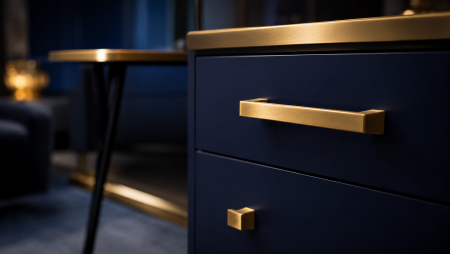
Why Furniture Designers Are Switching to PVD Metal details define contemporary furniture: legs, handles, frames, trims and decorative strips carry the identity of the piece. Demand for gold, bronze and…
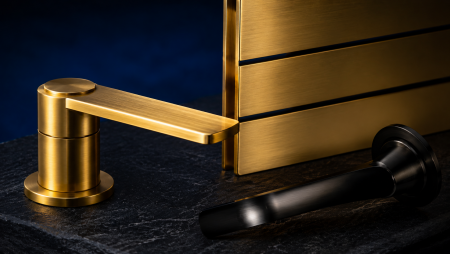
Can Stainless Steel Be PVD Coated? Yes; in fact, stainless steel is one of the best substrates for PVD coating available. Thanks to its chromium rich composition, it can usually…
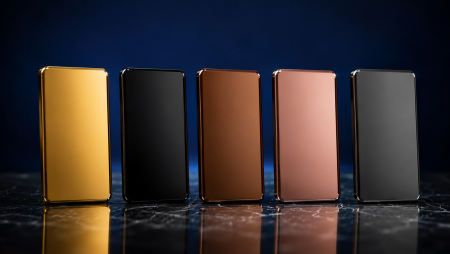
How PVD Creates Colour PVD colours are not paints or pigments. The shade comes from the coating compound itself: the metal being vaporised and the ratio of reactive gases inside…
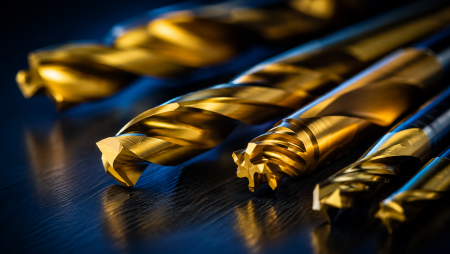
What Is TiN Coating? TiN, or titanium nitride, is a ceramic compound created when titanium reacts with nitrogen inside a vacuum chamber. Applied through PVD (physical vapour deposition), it forms…
Titanium Coating and Chrome Plating: Not the Same Process Both finishes protect and enhance metal surfaces, but the underlying technologies could hardly be more different. Titanium coating is applied by…
What Is PVD Coating? PVD, short for physical vapour deposition, is a vacuum based surface engineering process that bonds a thin, hard and decorative film onto metal components. Metals such…
PVD coating technology is a modern method preferred in many areas, from industrial production to decorative applications. This type of coating enhances the aesthetics of metal surfaces while also offering…

With developing medical technologies, the quality, durability and hygienic properties of the materials used have begun to play a critical role in the healthcare sector. Coating technologies used in surgical…

Antalya has become a center where innovative solutions and quality services meet as one of the fastest growing cities in Turkey. The aesthetic and durability advantages offered by Titanium coating…

Titanium coating is preferred to increase surface durability and maximize wear resistance in industrial production processes. This coating technology offers long-lasting and reliable solutions, especially on metal surfaces exposed to…

Titanium coating has become a popular coating method in many sectors, especially due to its durability and aesthetic appearance. However, many people wonder whether titanium coating is harmful in terms…

Titanium coating has become a rapidly rising trend in the decoration world. This innovative coating stands out not only for its durability but also for its aesthetic appeal. This coating,…

Furniture industry is a sector that is constantly seeking innovation in terms of both aesthetics and durability. Titanium coating technologies offer an ideal solution to meet these needs. Titanium coatings…

Titanium Coating is a surface treatment used to add protection and durability to materials. This process involves the application of titanium to the material's surface and is widely used across…

PVD (Physical Vapor Deposition) titanium coating is the process of applying a thin layer of titanium to a surface. This coating method is known for providing titanium with superior durability,…

What is Titanium PVD Coating in Ankara? Titanium PVD (Physical Vapor Deposition) coating is the process of applying titanium to a surface using an advanced technology, physical vapor deposition method.…

Titanyum kaplama, various coating solutions achieved using different methods and materials. These coating types offer different advantages depending on the properties and applications of the parts. Types of Titanium Coating…

What is Titanium Coating? Titanium coating is the process of applying a thin layer of titanium to a surface. This coating method is used to provide durability, aesthetics, and protection…


