
 tr
tr What Is PVD Coating?
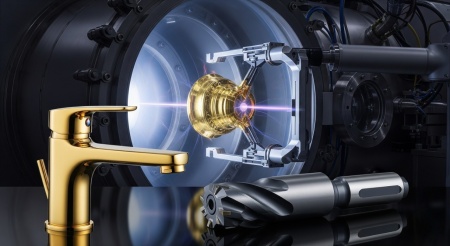
PVD, short for physical vapour deposition, is a vacuum based surface engineering process that bonds a thin, hard and decorative film onto metal components. Metals such as titanium, zirconium and chromium are vaporised at high energy inside a vacuum chamber; the vapour condenses on the part surface atom by atom, building a layer that is typically around 0.5-5 microns thick.
Unlike paint or conventional electroplating, the PVD film does not simply sit on the surface; it forms a bond with the substrate at the atomic level. The result is a finish with strong resistance to scratching, wear and corrosion, available in gold, black, bronze, rose and many other tones. You can see sector specific examples on our titanium coating applications page.
How the PVD Process Works
1. Surface Preparation
Coating quality is largely decided before the chamber door closes. Parts pass through ultrasonic cleaning lines that remove oils, fingerprints and micro contamination. For decorative work, polishing or brushing is completed at this stage, because the PVD layer is thin enough to reproduce the underlying texture exactly.
2. Vacuum and Heating
The cleaned parts are fixtured inside the coating chamber, which is pumped down to a high vacuum. Process temperatures are usually kept within roughly 200-450 °C depending on the substrate, so the mechanical properties of materials such as stainless steel remain unaffected.
3. Evaporation and Deposition
The target metal is vaporised by arc evaporation or sputtering. When reactive gases such as nitrogen are introduced at a controlled rate, ceramic like compounds form on the surface; the familiar gold coloured titanium nitride coating is produced exactly this way. Layer thickness is controlled precisely through process time, gas ratios and power settings.
Key Advantages of PVD Coating
- High hardness: depending on the compound, surface hardness of roughly 1500-3000 HV can be achieved.
- Wear and scratch resistance: colour and gloss are retained even under heavy daily contact.
- Corrosion protection: the dense film supports the base material against moisture and chemicals.
- Clean technology: no heavy metal plating baths or hazardous effluent, unlike traditional electroplating.
- Colour flexibility: gold, rose, bronze, black, smoke and rainbow finishes from the same production line.
Where PVD Coating Is Used
PVD finishes are specified across architectural metalwork, furniture hardware, door handles and ironmongery, watches and jewellery, cutting tools, mould components and medical instruments. Decorative projects value the consistent colour and longevity, while industrial users focus on extended tool life and reduced friction.
How Quality Is Assured
Colour consistency is verified against approved reference samples, while film integrity is checked through visual and dimensional inspection. Racking layouts are engineered around part geometry to guarantee uniform colour, and documented process parameters keep batch to batch variation to a minimum. This repeatability is what makes PVD a dependable industrial solution rather than a one off decorative trick.
Operating from our facility in Ankara, we serve manufacturers and design firms across Turkey and export markets. Share your colour, thickness and performance requirements and our team will recommend the right process window for your parts. Contact us for a technical review and a quotation.
Other Posts
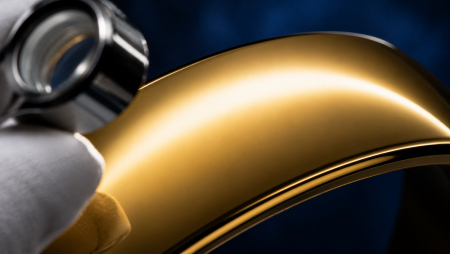
PVD coating is an advanced vacuum deposition technology that gives metal surfaces both a refined decorative finish and strong resistance to wear and corrosion. Yet two coatings sold under the…

Why Furniture Designers Are Switching to PVD Metal details define contemporary furniture: legs, handles, frames, trims and decorative strips carry the identity of the piece. Demand for gold, bronze and…
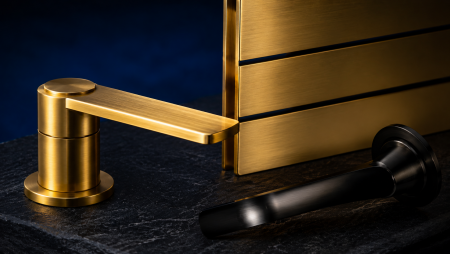
Can Stainless Steel Be PVD Coated? Yes; in fact, stainless steel is one of the best substrates for PVD coating available. Thanks to its chromium rich composition, it can usually…
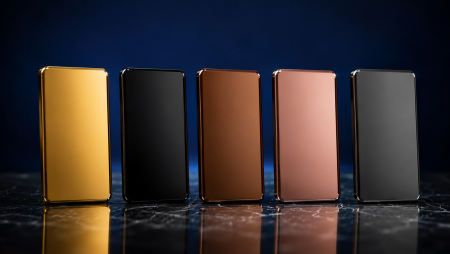
How PVD Creates Colour PVD colours are not paints or pigments. The shade comes from the coating compound itself: the metal being vaporised and the ratio of reactive gases inside…

What Is TiN Coating? TiN, or titanium nitride, is a ceramic compound created when titanium reacts with nitrogen inside a vacuum chamber. Applied through PVD (physical vapour deposition), it forms…
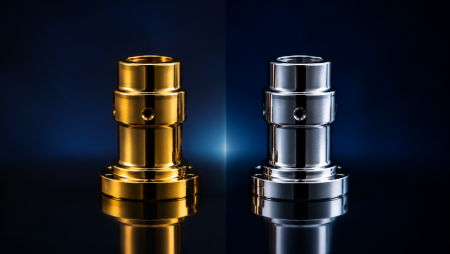
Titanium Coating and Chrome Plating: Not the Same Process Both finishes protect and enhance metal surfaces, but the underlying technologies could hardly be more different. Titanium coating is applied by…
PVD coating technology is a modern method preferred in many areas, from industrial production to decorative applications. This type of coating enhances the aesthetics of metal surfaces while also offering…

With developing medical technologies, the quality, durability and hygienic properties of the materials used have begun to play a critical role in the healthcare sector. Coating technologies used in surgical…

Antalya has become a center where innovative solutions and quality services meet as one of the fastest growing cities in Turkey. The aesthetic and durability advantages offered by Titanium coating…

Titanium coating is preferred to increase surface durability and maximize wear resistance in industrial production processes. This coating technology offers long-lasting and reliable solutions, especially on metal surfaces exposed to…

Titanium coating has become a popular coating method in many sectors, especially due to its durability and aesthetic appearance. However, many people wonder whether titanium coating is harmful in terms…

Titanium coating has become a rapidly rising trend in the decoration world. This innovative coating stands out not only for its durability but also for its aesthetic appeal. This coating,…

Furniture industry is a sector that is constantly seeking innovation in terms of both aesthetics and durability. Titanium coating technologies offer an ideal solution to meet these needs. Titanium coatings…

Titanium Coating is a surface treatment used to add protection and durability to materials. This process involves the application of titanium to the material's surface and is widely used across…

PVD (Physical Vapor Deposition) titanium coating is the process of applying a thin layer of titanium to a surface. This coating method is known for providing titanium with superior durability,…

What is Titanium PVD Coating in Ankara? Titanium PVD (Physical Vapor Deposition) coating is the process of applying titanium to a surface using an advanced technology, physical vapor deposition method.…

Titanyum kaplama, various coating solutions achieved using different methods and materials. These coating types offer different advantages depending on the properties and applications of the parts. Types of Titanium Coating…

What is Titanium Coating? Titanium coating is the process of applying a thin layer of titanium to a surface. This coating method is used to provide durability, aesthetics, and protection…


