
 tr
tr How PVD Creates Colour
PVD colours are not paints or pigments. The shade comes from the coating compound itself: the metal being vaporised and the ratio of reactive gases inside the vacuum chamber determine the colour of the film that forms on the surface. Because the colour lives within the layer rather than on top of it, it does not fade, chip or rub off with daily contact; a decisive advantage for decorative metalwork that has to look good for years.
The Most Requested PVD Colours
Gold
The classic rich gold comes from titanium nitride (TiN) coating. Where a paler, brass like gold is preferred, zirconium nitride is typically specified instead. Both deliver the look of genuine gold with a scratch resistant ceramic surface.
Black and Anthracite
Dark shades are produced with carbon enriched compounds such as titanium carbonitride or with multi layer process architectures. From matt black to glossy anthracite, these tones dominate contemporary furniture, lighting and architectural design.
Bronze
Bronze and coffee tones can be graded from light to dark through precise control of gas ratios. They are a favourite for hotels, restaurants and residential projects seeking a warm, classic atmosphere.
Rose Gold
Sitting elegantly between gold and copper, rose gold is achieved through fine tuned process parameters. It has become one of the most requested finishes for handles, trims and decorative profiles in recent years.
Keeping Colour Consistent
Batch to batch colour consistency depends on standardised surface preparation, documented process parameters and comparison against approved reference samples. The same coating reads differently on polished, brushed and bead blasted substrates, so colour sign off should always be based on a physical sample on your own material, never on a photograph.
How Permanent Are PVD Colours?
Painted or foil covered surfaces scratch, blister or fade over time. In a PVD film, the colour is the natural tone of the ceramic compound itself; there is no separate layer to peel away. In interior applications, gold, bronze and black tones keep their original saturation for years, which is precisely why hospitality and retail projects specify PVD to cut refurbishment cycles.
Typical Applications
Architectural panels, lift interiors, door hardware, furniture profiles, lighting bodies and signage letters are among the products most frequently finished in PVD colours. Visit our decorative PVD coating page for project examples across these segments.
Choosing the Right Colour for Your Project
- Fix the substrate texture first: decide on polished, brushed or blasted before selecting the shade.
- Consider the environment: high traffic areas benefit from harder coating architectures.
- Order reference samples: approve the colour on your own material and geometry.
- Plan the full palette: coat handles, profiles and panels in one production window for perfect matching.
Ready to define your project palette? Contact us for colour samples and a quotation. We ship coated components across Turkey and to export customers worldwide from our facility in Ankara.
Other Posts
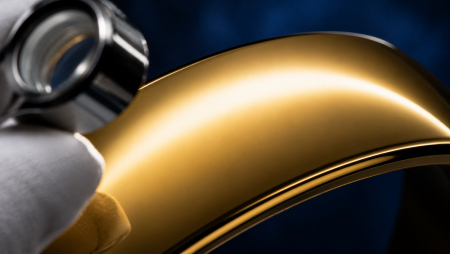
PVD coating is an advanced vacuum deposition technology that gives metal surfaces both a refined decorative finish and strong resistance to wear and corrosion. Yet two coatings sold under the…
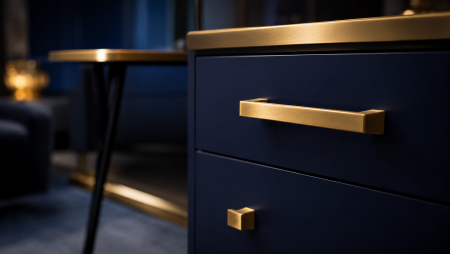
Why Furniture Designers Are Switching to PVD Metal details define contemporary furniture: legs, handles, frames, trims and decorative strips carry the identity of the piece. Demand for gold, bronze and…
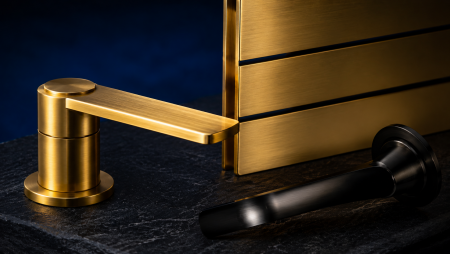
Can Stainless Steel Be PVD Coated? Yes; in fact, stainless steel is one of the best substrates for PVD coating available. Thanks to its chromium rich composition, it can usually…
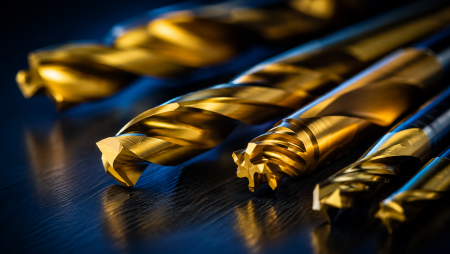
What Is TiN Coating? TiN, or titanium nitride, is a ceramic compound created when titanium reacts with nitrogen inside a vacuum chamber. Applied through PVD (physical vapour deposition), it forms…
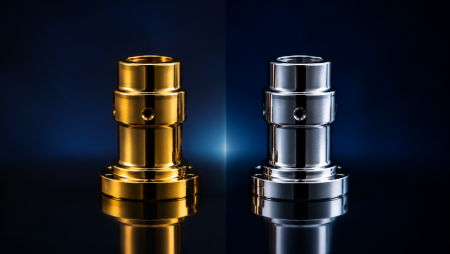
Titanium Coating and Chrome Plating: Not the Same Process Both finishes protect and enhance metal surfaces, but the underlying technologies could hardly be more different. Titanium coating is applied by…
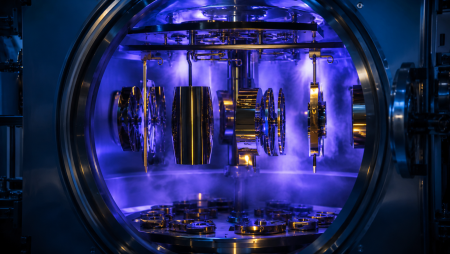
What Is PVD Coating? PVD, short for physical vapour deposition, is a vacuum based surface engineering process that bonds a thin, hard and decorative film onto metal components. Metals such…
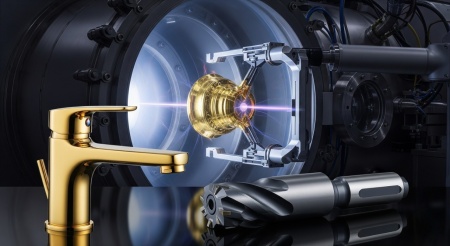
PVD coating technology is a modern method preferred in many areas, from industrial production to decorative applications. This type of coating enhances the aesthetics of metal surfaces while also offering…

With developing medical technologies, the quality, durability and hygienic properties of the materials used have begun to play a critical role in the healthcare sector. Coating technologies used in surgical…

Antalya has become a center where innovative solutions and quality services meet as one of the fastest growing cities in Turkey. The aesthetic and durability advantages offered by Titanium coating…

Titanium coating is preferred to increase surface durability and maximize wear resistance in industrial production processes. This coating technology offers long-lasting and reliable solutions, especially on metal surfaces exposed to…

Titanium coating has become a popular coating method in many sectors, especially due to its durability and aesthetic appearance. However, many people wonder whether titanium coating is harmful in terms…

Titanium coating has become a rapidly rising trend in the decoration world. This innovative coating stands out not only for its durability but also for its aesthetic appeal. This coating,…

Furniture industry is a sector that is constantly seeking innovation in terms of both aesthetics and durability. Titanium coating technologies offer an ideal solution to meet these needs. Titanium coatings…

Titanium Coating is a surface treatment used to add protection and durability to materials. This process involves the application of titanium to the material's surface and is widely used across…

PVD (Physical Vapor Deposition) titanium coating is the process of applying a thin layer of titanium to a surface. This coating method is known for providing titanium with superior durability,…

What is Titanium PVD Coating in Ankara? Titanium PVD (Physical Vapor Deposition) coating is the process of applying titanium to a surface using an advanced technology, physical vapor deposition method.…

Titanyum kaplama, various coating solutions achieved using different methods and materials. These coating types offer different advantages depending on the properties and applications of the parts. Types of Titanium Coating…

What is Titanium Coating? Titanium coating is the process of applying a thin layer of titanium to a surface. This coating method is used to provide durability, aesthetics, and protection…


