
 tr
tr Titanium Coating and Chrome Plating: Not the Same Process
Both finishes protect and enhance metal surfaces, but the underlying technologies could hardly be more different. Titanium coating is applied by PVD, a dry vacuum process, while traditional chrome plating is an electrolytic process carried out in chemical baths. That single difference drives everything else: durability, environmental compliance, colour range and total cost of ownership.
How Each Coating Is Applied
In electroplating, the component is immersed in a chromium bath and an electric current deposits metallic chrome onto the surface. In titanium PVD coating, titanium is vaporised inside a vacuum chamber and reacts with gases such as nitrogen to form a ceramic like film, typically around 0.5-5 microns thick, that bonds with the substrate at the atomic level. This bond makes flaking and peeling extremely unlikely, even after years of service.
Hardness and Durability
Decorative chrome layers typically measure around 700-1000 HV. Titanium nitride based PVD films can reach roughly 2000 HV or more. In practice that means fewer scratches and a far longer as new appearance on high contact surfaces such as door hardware, railings and furniture trim. For projects that want the classic chrome look with modern durability, PVD applied chrome nitride coating is a compelling alternative.
Environmental and Regulatory Considerations
Conventional chrome plating relies on chemical baths that demand strict effluent treatment, and the process faces increasing regulatory pressure in many export markets. PVD is a closed, dry vacuum process that generates no heavy metal plating waste, which simplifies compliance for manufacturers selling into Europe and other regulated regions. For export oriented supply chains, this is becoming a decisive selection criterion rather than a nice to have.
Colour and Design Freedom
Chrome delivers one look: bright silver. Titanium PVD opens up gold, rose, bronze, black, smoke and anthracite tones from a single production line, which is why architects and interior designers increasingly specify it for premium interiors. Browse our decorative PVD coating page for project examples.
Cost Over the Product Lifetime
Chrome plating can look cheaper per part at first glance. Factor in longer service life, minimal maintenance and the reduced need for refinishing, and PVD usually wins the total cost calculation, particularly for premium products and high traffic environments where refurbishment is disruptive and expensive.
Which One Should You Choose?
- Titanium PVD: the right choice when you need colour options, high scratch resistance and clean process credentials.
- Traditional chrome: acceptable when a basic bright silver look on low contact parts is sufficient.
- PVD chrome nitride: ideal when the chrome aesthetic must survive demanding daily use.
Not sure which route fits your components? Send us sample parts and our engineers will evaluate substrate, geometry and finish requirements before recommending a process. We coat for customers across Turkey and export markets from our Ankara facility. Request a quotation today.
Other Posts

PVD coating is an advanced vacuum deposition technology that gives metal surfaces both a refined decorative finish and strong resistance to wear and corrosion. Yet two coatings sold under the…

Why Furniture Designers Are Switching to PVD Metal details define contemporary furniture: legs, handles, frames, trims and decorative strips carry the identity of the piece. Demand for gold, bronze and…
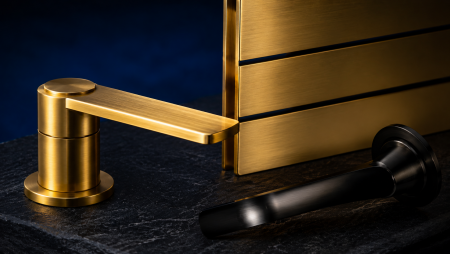
Can Stainless Steel Be PVD Coated? Yes; in fact, stainless steel is one of the best substrates for PVD coating available. Thanks to its chromium rich composition, it can usually…
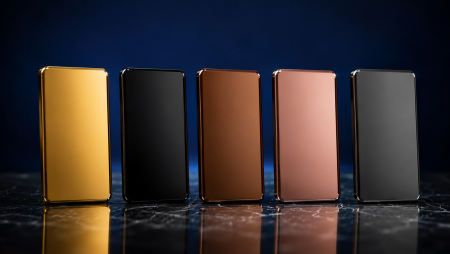
How PVD Creates Colour PVD colours are not paints or pigments. The shade comes from the coating compound itself: the metal being vaporised and the ratio of reactive gases inside…

What Is TiN Coating? TiN, or titanium nitride, is a ceramic compound created when titanium reacts with nitrogen inside a vacuum chamber. Applied through PVD (physical vapour deposition), it forms…
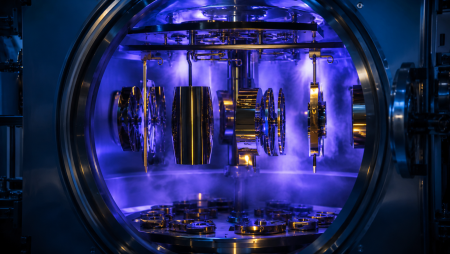
What Is PVD Coating? PVD, short for physical vapour deposition, is a vacuum based surface engineering process that bonds a thin, hard and decorative film onto metal components. Metals such…
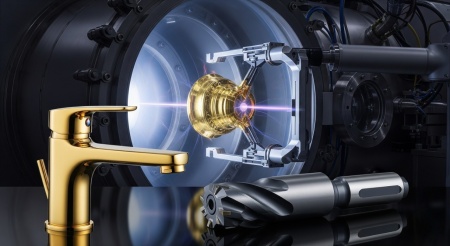
PVD coating technology is a modern method preferred in many areas, from industrial production to decorative applications. This type of coating enhances the aesthetics of metal surfaces while also offering…

With developing medical technologies, the quality, durability and hygienic properties of the materials used have begun to play a critical role in the healthcare sector. Coating technologies used in surgical…

Antalya has become a center where innovative solutions and quality services meet as one of the fastest growing cities in Turkey. The aesthetic and durability advantages offered by Titanium coating…

Titanium coating is preferred to increase surface durability and maximize wear resistance in industrial production processes. This coating technology offers long-lasting and reliable solutions, especially on metal surfaces exposed to…

Titanium coating has become a popular coating method in many sectors, especially due to its durability and aesthetic appearance. However, many people wonder whether titanium coating is harmful in terms…

Titanium coating has become a rapidly rising trend in the decoration world. This innovative coating stands out not only for its durability but also for its aesthetic appeal. This coating,…

Furniture industry is a sector that is constantly seeking innovation in terms of both aesthetics and durability. Titanium coating technologies offer an ideal solution to meet these needs. Titanium coatings…

Titanium Coating is a surface treatment used to add protection and durability to materials. This process involves the application of titanium to the material's surface and is widely used across…

PVD (Physical Vapor Deposition) titanium coating is the process of applying a thin layer of titanium to a surface. This coating method is known for providing titanium with superior durability,…

What is Titanium PVD Coating in Ankara? Titanium PVD (Physical Vapor Deposition) coating is the process of applying titanium to a surface using an advanced technology, physical vapor deposition method.…

Titanyum kaplama, various coating solutions achieved using different methods and materials. These coating types offer different advantages depending on the properties and applications of the parts. Types of Titanium Coating…

What is Titanium Coating? Titanium coating is the process of applying a thin layer of titanium to a surface. This coating method is used to provide durability, aesthetics, and protection…


